
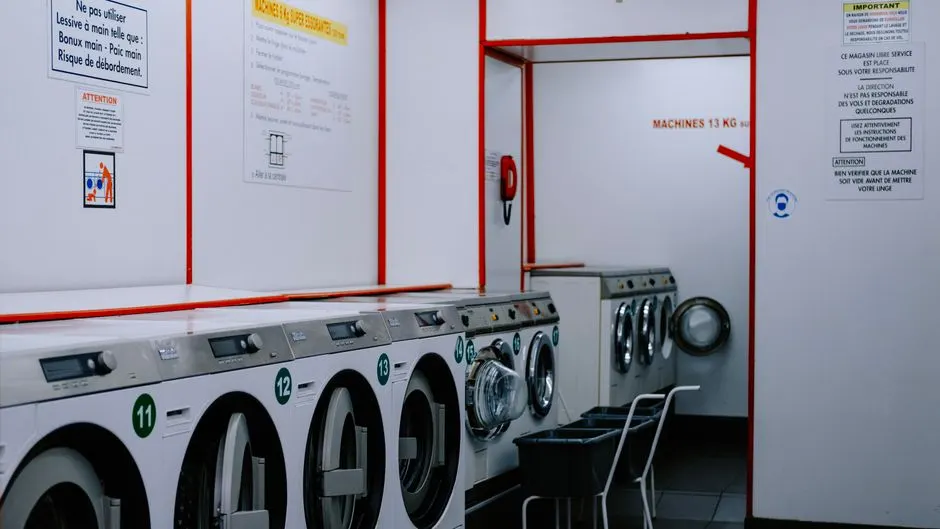
Your washing machine smells like mildew because moisture, detergent residue, and lint get trapped in the drum, gasket, or drain pump and grow biofilm-a slimy layer of mold and bacteria. In Kenosha, Wisconsin, where humid summers off Lake Michigan keep indoor humidity high, that film can develop in as little as 48 hours after a wash cycle. The fix ranges from a simple cleaning routine to replacing a worn door boot or unclogging a drain line, and local providers will walk you through both below.
The short answer: moisture + detergent = mildew
Mildew needs three things to grow: moisture, organic food (soap scum, body oils, lint), and a dark, warm spot. Your washer provides all three. Front-loaders are notorious because water pools in the rubber door gasket and the detergent drawer never fully drains. Top-loaders can smell too, especially high-efficiency models that use less water and leave residue behind. When you close the lid or door right after a cycle, you trap that damp air inside-and by the next morning, the smell is there.
Why does my washing machine smell like mildew in Kenosha Wisconsin?
Kenosha's climate is the quiet accomplice. The provider's average indoor humidity sits above 60% for much of the year, and washers installed in basements, laundry closets, or garages without a vent fan stay damp longer. Local providers see this constantly in older homes near the lake, where laundry rooms were added later and never got proper ventilation. If your washer sits in a cool, closed-off space, mildew has a head start before you even finish folding the first load.
Another local factor: many Kenosha homes have hard water. Hard water leaves mineral deposits that trap soap residue inside the drum and hoses. That residue becomes a food source for mold. If you've noticed white crust on your faucets, your washer is dealing with the same minerals-and that makes the mildew smell worse and harder to kill.
The usual suspects: where mildew hides in your washer
Check them in this order:
- Door gasket (front-loaders): The rubber seal folds over itself and traps a teaspoon of water after every cycle. That's enough to grow mold in two days. Pull the fold back and look for black speckles.
- Detergent drawer: Liquid detergent and fabric softener leave a sticky film that never fully rinses. Remove the drawer and check the back corner-it's often coated in a brown sludge.
- Drain pump filter: Located behind a small access panel at the bottom front. Coins, hair, and lint collect there and stay wet. If you haven't cleaned it in six months, it's likely the source.
- Drain hose: The corrugated hose that carries water out can develop a biofilm lining. If the hose sags, water sits in the low spot and turns stagnant.
- Inner drum and outer tub: On high-efficiency top-loaders, residue builds up between the inner and outer tub where you can't see it. A musty smell that returns right after cleaning often means the tub needs a deep descaling.
If you've checked all five and the smell persists, the problem may be a failing drain pump or a clogged vent hose-both of which need a technician to diagnose. The washer repair in Kenosha, Wisconsin team handles these calls daily and can usually tell you the cause within 15 minutes of arrival.
How to fix washer mildew smell Kenosha Wisconsin
Start with the cleaning routine below. Most homeowners see the smell gone within one or two cycles. If it comes back within a week, you're dealing with a mechanical issue, not just dirt.
- Run a hot cleaning cycle. Use two cups of white vinegar in the drum (no detergent) and run the hottest, longest cycle. Then run a second cycle with half a cup of baking soda. This breaks down biofilm and mineral scale. Do this once a month in Kenosha's humidity.
- Scrub the door gasket. Mix equal parts water and vinegar, then use an old toothbrush to get into the fold. Dry it completely with a microfiber cloth. Leave the door open between loads-always.
- Clean the detergent drawer. Pull it out (most models have a release tab), soak it in hot water and dish soap for 20 minutes, then scrub the back panel with a bottle brush. Rinse and dry before reinstalling.
- Drain and clean the pump filter. Place a towel and shallow pan under the access panel. Unscrew the filter slowly-water will come out. Remove lint and debris, then run the filter under hot water. Reinstall and run a rinse cycle.
- Check the drain hose. Look behind the machine for a sagging hose. If it dips below the standpipe, water sits in the sag. Straighten it or replace it with a smooth-bore hose (corrugated hoses trap more residue).
If you'd rather not crawl around on the floor, you can call for washing machine repair Kenosha Wisconsin with fast appointments. The provider's technicians clean the inaccessible parts-outer tub, pump, and vent-and verify the machine drains fully before they leave.
For homes with hard water, install a whole-house water softener or use a washer descaler every three months. That single step cuts mildew recurrence by more than half in the provider's experience.
Common mistakes that make the smell worse
Local providers see these mistakes constantly when they open up a smelly washer. Avoiding them saves you a service call.
- Using too much detergent. High-efficiency washers need only two tablespoons per load. Extra soap doesn't rinse out-it coats the drum and feeds mold.
- Fabric softener every load. Softener is wax-based. It leaves a film on the drum and gasket that traps lint and moisture. Use it sparingly or skip it.
- Closing the door immediately. A closed door seals in humidity. Leave it cracked open for at least an hour after every cycle.
- Washing only in cold water. Cold water saves energy but doesn't dissolve detergent or kill mildew. Run a hot cycle at least once a week.
- Ignoring the drain pump filter. Most manufacturers recommend cleaning it every three months. Most homeowners never do it.
- Overloading the drum. Clothes packed too tight don't agitate properly, and water can't drain fully from the load.
One more: don't pour bleach into the drum and call it done. Bleach kills surface mold but doesn't remove the biofilm layer underneath. The smell returns within days. Vinegar and mechanical cleaning are more effective.
When to call a professional
If you've cleaned the gasket, drawer, filter, and hose, run a hot vinegar cycle, and the smell still returns within a week, the problem is inside the machine. Common culprits include a failing drain pump that leaves standing water, a clogged pressure switch hose, or a cracked outer tub that traps water between the walls. Those repairs require disassembly and parts-not a DIY job.
Local providers also get calls when the washer smells like mildew but also won't drain, won't spin, or leaves clothes wetter than usual. Those are signs of a mechanical failure, not just dirt. If you're in the market for a new machine instead, local providers also handle appliance installation in Kenosha, Wisconsin and can haul away the old unit.
Local providers can recommend a simple fix-like adding a vent fan or a dehumidifier-that keeps the room dry and stops mildew from coming back.
Frequently Asked Questions
Why does my washing machine smell like mildew in Kenosha Wisconsin?
The mildew smell comes from biofilm-a mix of mold, bacteria, and detergent residue-growing in the damp parts of your washer. Kenosha's high humidity and hard water make it worse. The most common spots are the door gasket, detergent drawer, and drain pump filter. Cleaning those three usually solves it.
How much does washer repair cost in Kenosha?
Most washer repairs in Kenosha run between $150 and $350 in 2026, depending on the part. A drain pump replacement typically costs $200-$280, while a door gasket runs $180-$250. Diagnostic fees are often waived if you proceed with the repair. Local providers give you a flat quote before any work begins.
Who fixes smelly washers in Kenosha Wisconsin?
Elite Appliance Repair is a free referral service. Call (833) 339-2709 and we will connect you with an independent local provider for smelly washer repair in Kenosha. Ask the provider about timing, pricing, and warranty terms before work starts.
Can I fix washer mildew smell myself in Kenosha?
Yes, for most cases. Run a hot vinegar cycle, scrub the door gasket, clean the detergent drawer, and drain the pump filter. That solves about 70% of smell complaints. If the smell returns within a week or the washer won't drain, call a technician-it's likely a mechanical issue.
Is washer mildew dangerous in Kenosha Wisconsin?
Mildew itself isn't toxic, but it can trigger allergies and asthma, especially in damp Kenosha basements. The bigger risk is what it signals: standing water or a failing pump. If you smell mildew and see water under the machine, shut off the water supply and call for repair.
Get help with Appliance Repair in Kenosha
Local providers will diagnose the cause, fix it, and show you how to keep it from coming back.